Exploring House Haunting Factors: What Truly Makes a House Haunted?

When we think about haunted houses, images of creaky floors, flickering lights, and ghostly apparitions often come to mind. But what truly makes a house haunted? Is it just stories passed down through generations, or are there specific factors that contribute to a home’s eerie reputation? In this post, I will take you through the key elements that contribute to house haunting factors, helping you understand the phenomenon from a grounded perspective.
Understanding House Haunting Factors
House haunting factors are varied and complex. They often combine history, environment, and human perception. To start, many haunted houses have a dark or tragic past. This could be anything from a violent event to a long history of suffering within the walls. Such histories create a narrative that fuels the idea of hauntings.
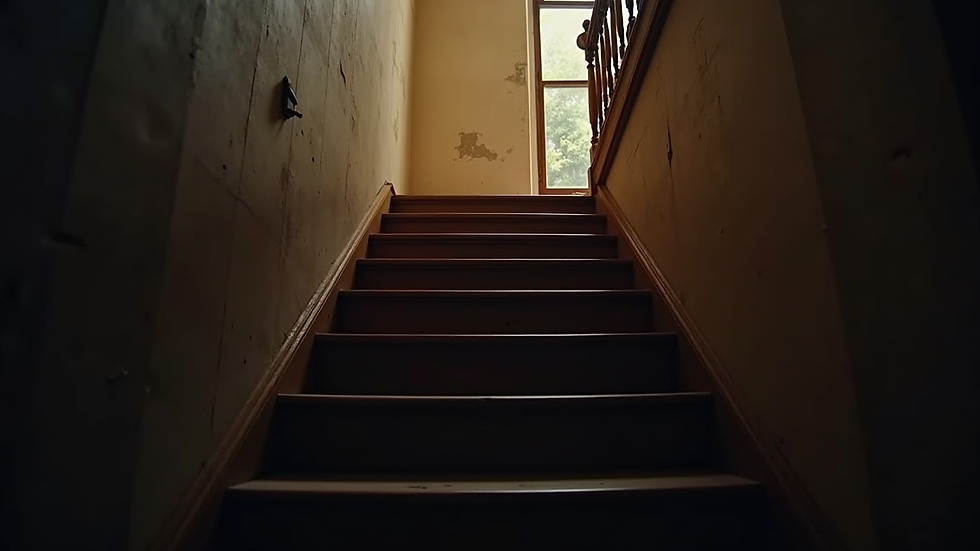
Another factor is the physical environment. Old buildings with creaky wood, drafty windows, and unusual architecture can create sounds and sensations that people interpret as paranormal. For example, a sudden cold draft might be explained by a broken window or poor insulation, but it can also be perceived as a ghostly presence.
Psychological factors also play a role. When people expect a place to be haunted, their minds can interpret ordinary noises or shadows as supernatural. This is why some locations become famous for hauntings even if there is no concrete evidence.
Finally, technology has changed how we investigate hauntings. Devices like EMF meters, infrared cameras, and audio recorders are used to detect anomalies. While these tools can pick up unexplained signals, they can also be affected by environmental factors, leading to false positives.
Common House Haunting Factors in Detail
Let’s break down some of the most common factors that contribute to a house’s haunted reputation:
Historical Tragedies
Houses with a history of death, violence, or tragedy often attract ghost stories. For example, a home where a murder occurred or where previous occupants died under mysterious circumstances can become a focal point for paranormal activity.
Structural Anomalies
Old houses often have structural quirks like uneven floors, hidden rooms, or faulty wiring. These can cause noises, flickering lights, or cold spots that people associate with hauntings.
Environmental Influences
Natural elements such as underground water, magnetic fields, or even nearby cemeteries can influence the atmosphere of a house. Some researchers suggest that these factors might affect human perception or electronic devices used in investigations.
Psychological Expectation
When people visit a place expecting to experience something supernatural, their brains can create sensations or illusions. This is known as the power of suggestion and is a strong factor in many haunting reports.
Residual Energy
Some paranormal theories propose that traumatic events leave behind residual energy that can replay like a recording. This energy is thought to cause repetitive phenomena such as footsteps or voices.
Understanding these factors helps separate fact from fiction and provides a clearer picture of what might be happening in a haunted house.
What are the characteristics of a haunted house?
Identifying a haunted house involves recognizing certain characteristics that frequently appear in reports and investigations. Here are some of the most common signs:
Unexplained Noises: Footsteps, knocking, or voices with no apparent source. These sounds often occur in specific areas or at certain times.
Temperature Fluctuations: Sudden cold spots or drafts that cannot be explained by the building’s ventilation or weather.
Objects Moving: Items shifting position, doors opening or closing on their own, or lights flickering without electrical issues.
Strange Smells: Unusual odors like perfume, smoke, or decay that have no clear origin.
Feelings of Being Watched: Many people report an unsettling sensation of being observed or followed.
Apparitions or Shadows: Visual sightings of figures, shadows, or shapes that disappear quickly or appear intermittently.
These characteristics do not guarantee a haunting but are often reported in locations with a haunted reputation. Careful investigation is necessary to rule out natural causes.

Investigating Haunted Houses: Practical Tips
If you are interested in exploring haunted locations or conducting your own investigations, here are some practical tips to keep in mind:
Research the History: Before visiting, learn about the house’s past. Historical records, news articles, and local stories can provide valuable context.
Use Reliable Equipment: Bring tools like EMF meters, digital voice recorders, and infrared cameras. Make sure you understand how to use them properly.
Document Everything: Keep detailed notes and record your observations. Photos and videos can help capture evidence.
Stay Skeptical: Always consider natural explanations first. Check for drafts, faulty wiring, or animals that might cause noises.
Respect the Location: Obtain permission before entering private property. Be mindful of the house and its occupants.
Work in Teams: Investigating with others can provide multiple perspectives and increase safety.
By following these steps, you can conduct thorough and respectful investigations that contribute to understanding the phenomenon.
The Role of Perception and Belief in Hauntings
One of the most fascinating aspects of haunted houses is how much perception and belief influence experiences. Our brains are wired to recognize patterns and make sense of ambiguous stimuli. In a dimly lit, old house, this can lead to misinterpretations.
For example, a creaking floorboard might be heard as footsteps. A shadow cast by a tree outside might look like a figure. When people expect to encounter ghosts, their minds fill in gaps with supernatural explanations.
This does not mean all experiences are imagined. Many people report genuine feelings of unease or unexplained phenomena. However, understanding the psychological component helps balance enthusiasm with critical thinking.
Final Thoughts on House Haunting Factors
Exploring what makes a house haunted involves looking at history, environment, psychology, and technology. While some houses have clear reasons for their eerie reputations, others may simply be misunderstood.
If you want to dive deeper into this topic, consider visiting locations that offer live paranormal investigations. These experiences combine real-time surveillance with public participation, providing a unique way to explore the unknown.
For those curious about the specifics, you can learn more about what makes a house haunted and how these factors come together to create the chilling atmosphere that draws so many to the world of the paranormal.
By understanding these elements, you can appreciate haunted houses not just as spooky stories but as complex places shaped by history, environment, and human perception. Whether you are a skeptic or a believer, the mystery of haunted houses continues to captivate and inspire.
Thank you for joining me on this exploration of house haunting factors. Stay curious and keep investigating!


Comments